Introduction to Komodo National Park Wildlife
Komodo National Park is one of Indonesia’s most remarkable wildlife destinations, known for its unique combination of terrestrial and marine ecosystems. Located between the islands of Sumbawa and Flores in East Nusa Tenggara, the national park is home to an impressive variety of wildlife, both on land and beneath the surrounding waters.
The park is best known as the natural habitat of the Komodo dragon, the world’s largest living lizard. However, the wildlife experience extends far beyond the famous dragon. Visitors may also encounter deer, wild pigs, monkeys, a variety of bird species, and other animals that inhabit the islands.
The waters surrounding Komodo National Park are equally rich in biodiversity. Coral reefs, colorful tropical fish, manta rays, sea turtles, and other marine species make the area an exceptional destination for snorkeling and diving.
Wildlife encounters in Komodo National Park take place in a protected natural environment, so sightings can never be guaranteed. Visitors should always follow the instructions of park rangers and local guides, maintain a safe distance from wildlife, and avoid feeding or disturbing the animals.
Whether you are visiting to see the Komodo dragon, explore the islands, or discover the marine life beneath the surface, Komodo National Park offers an unforgettable opportunity to experience wildlife in its natural environment.
Iconic Species: The Komodo Dragon
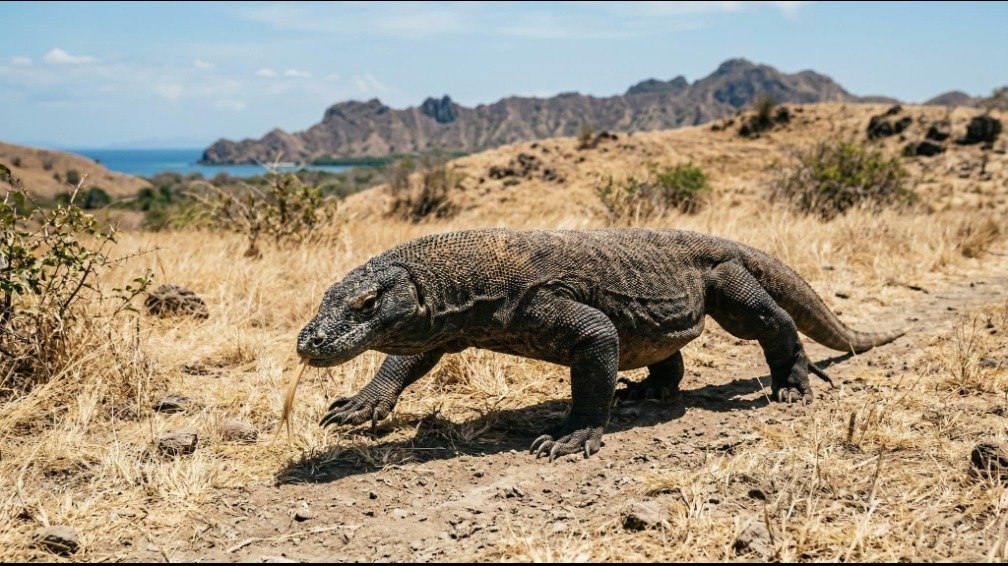
The Komodo dragon (Varanus komodoensis) is the most iconic animal in Komodo National Park and one of the most remarkable reptiles in the world. This species is native to a small number of islands in Indonesia, including Komodo, Rinca, Gili Motang, and parts of Flores.
Adult Komodo dragons are large, powerful reptiles that can grow to around 3 meters in length. They have strong legs, sharp claws, a long muscular tail, and a highly developed sense of smell that helps them locate food across their environment.
Komodo dragons are carnivorous predators. Their diet can include deer, wild pigs, smaller reptiles, and other available prey. They are capable of traveling considerable distances while searching for food and can be surprisingly fast over short distances.
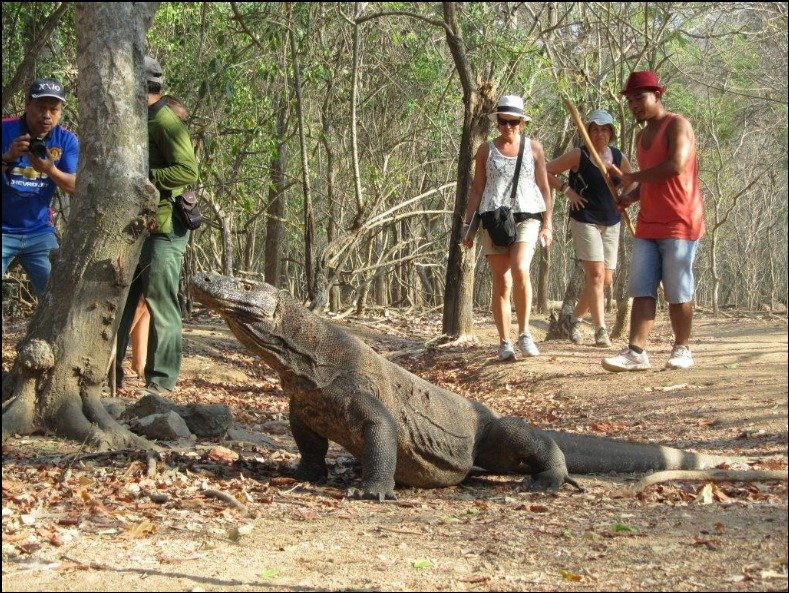
Visitors to Komodo National Park normally observe these animals with the assistance of trained park rangers or local guides. This is important because Komodo dragons are wild animals and should always be treated with caution and respect.
When visiting Komodo Island or Rinca Island, never approach a Komodo dragon on your own, attempt to feed it, or move too close for a photograph. Follow the instructions of your ranger, stay with your group, and maintain a safe distance from the animals.
Seeing a Komodo dragon in its natural habitat is one of the highlights of visiting Komodo National Park. Beyond taking photographs, responsible wildlife tourism also helps visitors appreciate the importance of protecting this unique species and the ecosystem it depends on.
Marine Life in Komodo National Park
The waters surrounding Komodo National Park are home to an extraordinary variety of marine life, making the region one of Indonesia’s most fascinating destinations for snorkeling and diving.
The park’s marine ecosystems include coral reefs, seagrass areas, mangroves, and deeper coastal waters. Together, these habitats support hundreds of species of fish and a wide variety of marine animals.
Manta Rays
Manta rays are among the most exciting marine animals visitors hope to encounter in Komodo National Park. Manta Point is one of the well-known areas for manta ray encounters, although sightings depend on natural conditions and cannot be guaranteed.
Watching manta rays glide through the water can be an unforgettable experience, particularly for travelers exploring the park by speedboat or liveaboard.
Sea Turtles
Several species of sea turtles can be found in the waters around Komodo National Park. They may occasionally be seen while snorkeling or diving near coral reefs and coastal areas.
Visitors should maintain a respectful distance and never touch, chase, or feed marine wildlife.
Coral Reefs and Tropical Fish
Komodo’s underwater environment supports colorful coral reefs and a remarkable diversity of tropical fish. Snorkelers may encounter schools of reef fish, butterflyfish, angelfish, parrotfish, and many other species.
Popular snorkeling areas can include Taka Makassar, Kanawa Island, Sebayur Island, Manta Point, and other locations depending on the itinerary and sea conditions.
A Diverse Underwater Ecosystem
The marine environment of Komodo National Park is closely connected to the health of its coral reefs, seagrass habitats, mangroves, and surrounding waters.
Strong currents are also an important characteristic of the region. For this reason, snorkeling and diving should always be undertaken with appropriate guidance and according to local conditions.
Responsible Marine Tourism
Visitors can help protect Komodo’s marine environment by avoiding contact with coral, not collecting shells or marine animals, never feeding wildlife, and taking all waste back with them.
Responsible tourism helps preserve the underwater ecosystems that make Komodo National Park such a special destination for future generations.
Endemic and Rare Species
Komodo National Park is home to a variety of wildlife that is closely associated with the islands and ecosystems of eastern Indonesia. Beyond the famous Komodo dragon, the park supports several species that are endemic, locally distributed, or considered important to the region’s biodiversity.
Timor Deer
The Timor deer (Rusa timorensis) is one of the most recognizable mammals found on the islands of Komodo National Park. These deer are an important part of the park’s terrestrial ecosystem and are also one of the natural prey species of Komodo dragons.
Visitors may encounter Timor deer in grassland, woodland, and other suitable habitats, particularly during wildlife excursions accompanied by local guides or park rangers.
Wild Boar
Wild boar are another important part of the terrestrial ecosystem. They inhabit several areas of the park and form part of the natural food chain that supports Komodo dragons and other predators.
Because they are wild animals, visitors should observe them from a safe distance and never attempt to feed or approach them.
Long-Tailed Macaques
Long-tailed macaques can also be found in parts of the Komodo region. These adaptable primates are often associated with forested and coastal habitats.
Although they may appear accustomed to people in some areas, they remain wild animals. Visitors should avoid feeding them and should keep food and personal belongings secure.
Birds of Komodo National Park
Komodo National Park also supports a diverse range of bird species. Depending on the location and season, visitors may encounter birds living in forests, grasslands, mangroves, and coastal environments.
Birdwatching can add another dimension to a Komodo trip, particularly for travelers interested in experiencing the park beyond its famous reptiles and marine life.
Why These Species Matter
The wildlife of Komodo National Park is connected through a complex ecosystem in which predators, herbivores, birds, reptiles, and marine species all play important roles.
Protecting these animals requires protecting the habitats on which they depend. This is one reason responsible tourism and conservation are important when visiting the national park.
Wildlife sightings are never guaranteed. Animals move freely through their natural habitats, and their behavior can change according to weather, season, food availability, and other natural conditions.
The best way to observe wildlife is to travel with an experienced local guide or park ranger, follow park regulations, maintain a safe distance, and allow animals to behave naturally.