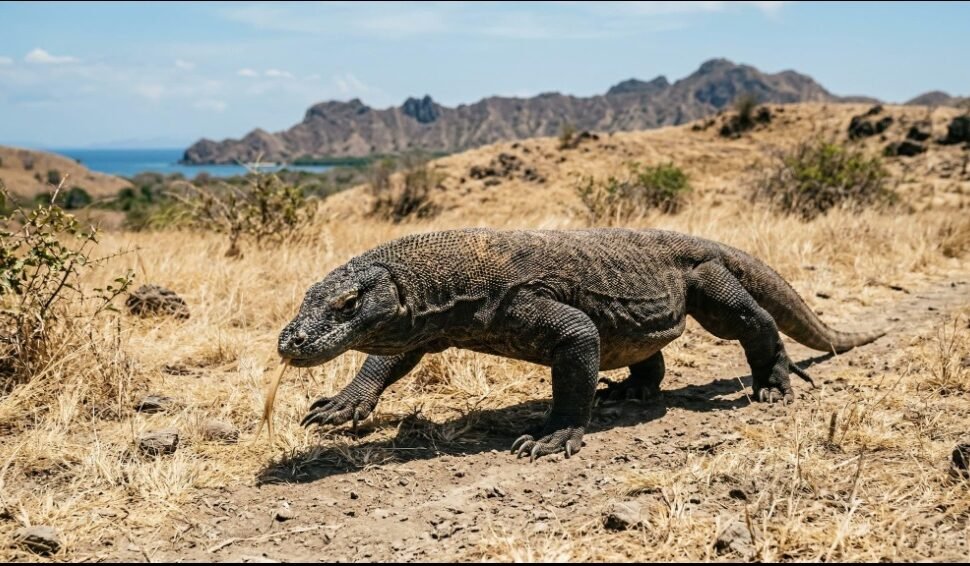
Komodo National Park is one of Indonesia’s most spectacular destinations, offering visitors the chance to see Komodo dragons, explore remote islands, snorkel in clear waters, and experience some of the region’s most remarkable natural landscapes.
However, Komodo National Park is also a protected natural environment. The islands are home to wild animals, strong ocean currents, hot and dry conditions, uneven trails, and changing weather. Preparing properly and following local regulations can make your visit safer and more enjoyable.
Whether you are visiting Komodo Island, Rinca Island, Padar Island, or exploring the surrounding waters by speedboat or liveaboard, these essential safety tips will help you travel responsibly and confidently.
Understanding Wildlife Safety
One of the main reasons travelers visit Komodo National Park is to see wildlife in its natural habitat. The park is famous for the Komodo dragon, but visitors may also encounter Timor deer, wild boar, long-tailed macaques, birds, sea turtles, manta rays, and many other species.
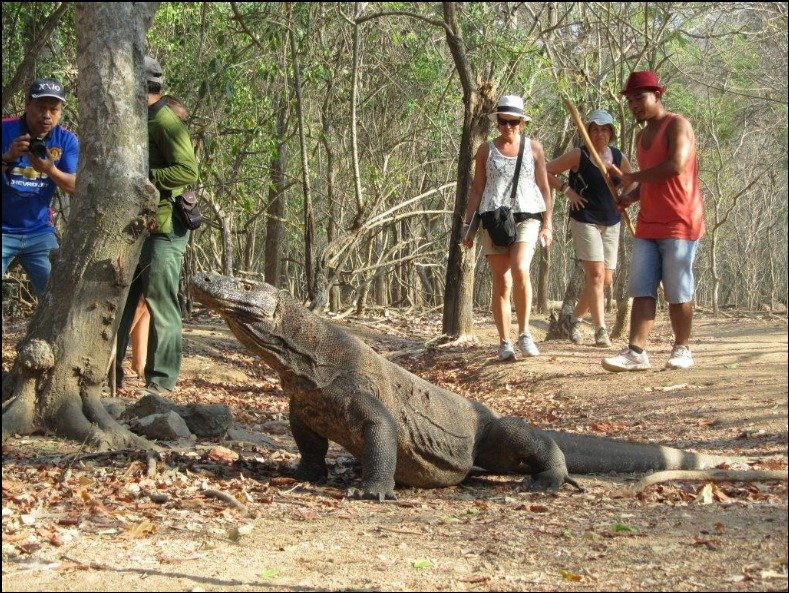
Remember that these are wild animals, not domesticated animals. Their behavior can be unpredictable, so visitors should always maintain a safe distance and follow the instructions of their guide or park ranger.
How to Behave Around Komodo Dragons
Komodo dragons are powerful predators and should always be treated with caution and respect.
When visiting areas where Komodo dragons live:
- Always stay with your park ranger or authorized guide.
- Never approach a Komodo dragon on your own.
- Do not attempt to touch, feed, or attract a Komodo dragon.
- Maintain a safe distance from the animal.
- Follow your ranger’s instructions during the entire visit.
- Avoid sudden movements or actions that could disturb the animal.
- Do not try to take a photograph from dangerously close to the animal.
Komodo dragons have a highly developed sense of smell and can detect food from a considerable distance. For this reason, visitors should listen carefully to their ranger and follow all safety instructions.
Keep Your Food Secure
Do not leave food unattended during your visit.
Food can attract wildlife, particularly monkeys and other animals around tourist areas. Avoid feeding animals because this can change their natural behavior and may create unsafe situations for both visitors and wildlife.
Keep snacks and other food items securely stored and follow the instructions of your guide.
General Travel Safety Tips
A trip to Komodo National Park can involve walking on beaches, climbing hills, traveling by boat, and spending several hours outdoors.
A little preparation can make a significant difference.
Stay Hydrated
The weather around Komodo National Park can be hot, particularly during outdoor activities and hiking.
Bring enough drinking water and drink regularly throughout the day. This is especially important when visiting viewpoints such as Padar Island or walking on exposed trails.
Protect Yourself From the Sun
Sun protection is essential when exploring the islands.
Consider bringing:
- Sunscreen
- A hat or cap
- Sunglasses
- Lightweight, comfortable clothing
- Drinking water
Apply sunscreen regularly, particularly if you will spend several hours outdoors.
Wear Suitable Footwear
Some trails and viewpoints can be rocky, uneven, or steep.
Comfortable walking shoes or trekking shoes are recommended for hiking activities. Avoid footwear that makes it difficult to walk safely on uneven terrain.
For beach and snorkeling activities, appropriate water shoes can also be useful in some locations.
Follow Your Guide
If your trip includes a local guide or park ranger, stay with the group and follow their instructions.
Your guide can provide important information about wildlife, walking routes, weather conditions, and local regulations.
If a ranger asks you to stop, change direction, or maintain a greater distance from an animal, follow the instruction immediately.
Navigating the Park: Dos and Don’ts
Responsible behavior is an important part of visiting Komodo National Park.
The park is not simply a tourist attraction. It is a protected ecosystem where wildlife and local environments need to be respected.
What to Do
- Follow park regulations and ranger instructions.
- Stay on designated paths where required.
- Keep a safe distance from wildlife.
- Take your rubbish with you.
- Bring reusable drinking water where practical.
- Respect other visitors and local communities.
- Listen carefully to safety briefings before activities.
- Inform your guide if you feel unwell or need assistance.
What Not to Do
- Do not feed wild animals.
- Do not touch wildlife.
- Do not chase animals for photographs.
- Do not leave plastic or other rubbish behind.
- Do not remove coral, shells, plants, rocks, or other natural objects.
- Do not wander away from your group without informing your guide.
- Do not attempt to approach a Komodo dragon for a closer photograph.
- Do not ignore instructions from park rangers or local guides.
Small actions can have a significant impact on the environment. Responsible visitors help protect the destination for future travelers and local communities.
Weather and Environment Preparedness
The environment around Komodo National Park can be challenging, particularly for travelers who are not accustomed to tropical heat.
Weather and sea conditions can also affect boat trips and outdoor activities.
Prepare for Hot Weather
Many activities take place in open areas with limited shade.
Bring enough water and protect yourself from direct sunlight. Take breaks when necessary, particularly during hikes.
If you experience symptoms such as dizziness, unusual weakness, severe headache, or signs of heat exhaustion, inform your guide immediately and move to a cooler location.
Be Prepared for Changing Sea Conditions
Boat trips around Komodo National Park can be affected by wind, waves, tides, and ocean currents.
Sea conditions may change during the day, and snorkeling or diving locations can vary depending on local conditions.
Always follow the instructions of your boat crew and guide.
For snorkeling activities:
- Listen carefully to the safety briefing.
- Wear appropriate safety equipment.
- Stay within the area recommended by your guide.
- Be particularly careful around strong currents.
- Never swim farther away from the group without permission.
- Do not touch coral or marine animals.
If the crew or guide advises against entering the water because of conditions, follow their recommendation.
Snorkeling and Marine Wildlife Safety
Komodo National Park is famous not only for its land animals but also for its marine biodiversity.
Travelers may have the opportunity to see manta rays, sea turtles, tropical fish, coral reefs, and other marine life.
However, marine wildlife should always be observed responsibly.
Maintain a Safe Distance From Marine Animals
Never chase, touch, or attempt to ride marine animals.
When encountering manta rays or sea turtles, allow them to move freely through the water. Avoid blocking their path and do not attempt to attract them with food.
Protect the Coral Reefs
Coral reefs are delicate ecosystems.
When snorkeling:
- Avoid standing on coral.
- Do not touch coral.
- Do not collect coral or shells.
- Avoid kicking the reef with your fins.
- Do not throw rubbish into the sea.
- Use reef-safe practices whenever possible.
Even small areas of physical damage can affect fragile marine ecosystems.
Hiking Safety in Komodo National Park
Some of the most memorable experiences in Komodo National Park involve hiking.
Padar Island is particularly well known for its panoramic viewpoint, while other islands offer opportunities to explore natural landscapes and wildlife habitats.
Before starting a hike:
- Bring enough water.
- Wear suitable footwear.
- Protect yourself from the sun.
- Follow the designated route.
- Stay with your guide or group.
- Take breaks when necessary.
- Be careful on steep or uneven sections.
- Follow local instructions if weather conditions change.
Do not underestimate the heat or difficulty of a trail simply because the distance appears short.
What to Bring to Komodo National Park
Packing the right items can make your trip much more comfortable.
Consider bringing:
- Drinking water
- Sunscreen
- Sunglasses
- Hat or cap
- Comfortable walking shoes
- Lightweight clothing
- Swimwear
- Towel
- Personal medication
- Waterproof bag for valuables
- Phone or camera
- Power bank
- Small personal first-aid items
For boat trips, it is also useful to protect electronic devices from water and spray.
Respect the Environment
Komodo National Park is a protected ecosystem, and responsible tourism is essential for its long-term conservation.
Visitors should follow the principle of leaving no trace.
Take all rubbish with you and avoid disturbing plants, animals, coral reefs, and other natural features.
Do not remove souvenirs from the natural environment. Rocks, coral, shells, plants, and other natural materials are part of the ecosystem and should remain where they belong.
Travel With an Experienced Local Guide
A knowledgeable local guide can make your visit safer and more informative.
Guides and park rangers can help visitors understand wildlife behavior, local conditions, hiking routes, and park regulations.
This is particularly important when visiting areas inhabited by Komodo dragons or when participating in activities involving the sea.
For travelers unfamiliar with the area, a guided experience can also make it easier to manage transportation, timing, and activities throughout the day.
Frequently Asked Questions
Is Komodo National Park safe to visit?
Komodo National Park welcomes visitors, but it is important to remember that it is a natural environment containing wild animals and challenging outdoor conditions. Following park regulations and the instructions of guides and rangers is essential.
Can I walk close to a Komodo dragon?
No. Visitors should never intentionally approach a Komodo dragon. Always maintain a safe distance and follow the instructions of the park ranger or local guide.
Can I swim with manta rays?
Manta rays can sometimes be encountered while snorkeling or diving in the park. Visitors should observe them responsibly, maintain a respectful distance, and never touch or chase them.
What should I wear in Komodo National Park?
Lightweight, comfortable clothing, sun protection, and suitable walking shoes are recommended. For hiking activities, footwear with good grip is particularly useful.
Should I bring drinking water?
Yes. Bringing sufficient drinking water is strongly recommended, especially when hiking or spending several hours outdoors.
Can I feed the animals?
No. Feeding wildlife can alter natural animal behavior and create safety problems. Visitors should never feed animals in the national park.
Final Thoughts
Visiting Komodo National Park is an opportunity to experience one of Indonesia’s most remarkable natural environments. From Komodo dragons and Timor deer to manta rays, sea turtles, and colorful marine life, the park offers unforgettable wildlife encounters.
The key to a safe and enjoyable experience is simple: respect the wildlife, follow local regulations, prepare for the environment, and listen to your guide or park ranger.
By traveling responsibly, visitors can enjoy the beauty of Komodo National Park while helping protect its unique ecosystems for future generations.
Planning your trip to Komodo National Park? Explore KomodoBajo’s tours and experiences from Labuan Bajo and discover the islands, wildlife, beaches, snorkeling spots, and landscapes of this extraordinary destination.